

This morning, the University of Michigan released its most recent survey on how the consumer is feeling. And it was bad. Really bad.
The Michigan Consumer Sentiment Index fell for the third month in a row. Considering the rising costs of pretty much everything nowadays, this isn’t unexpected.
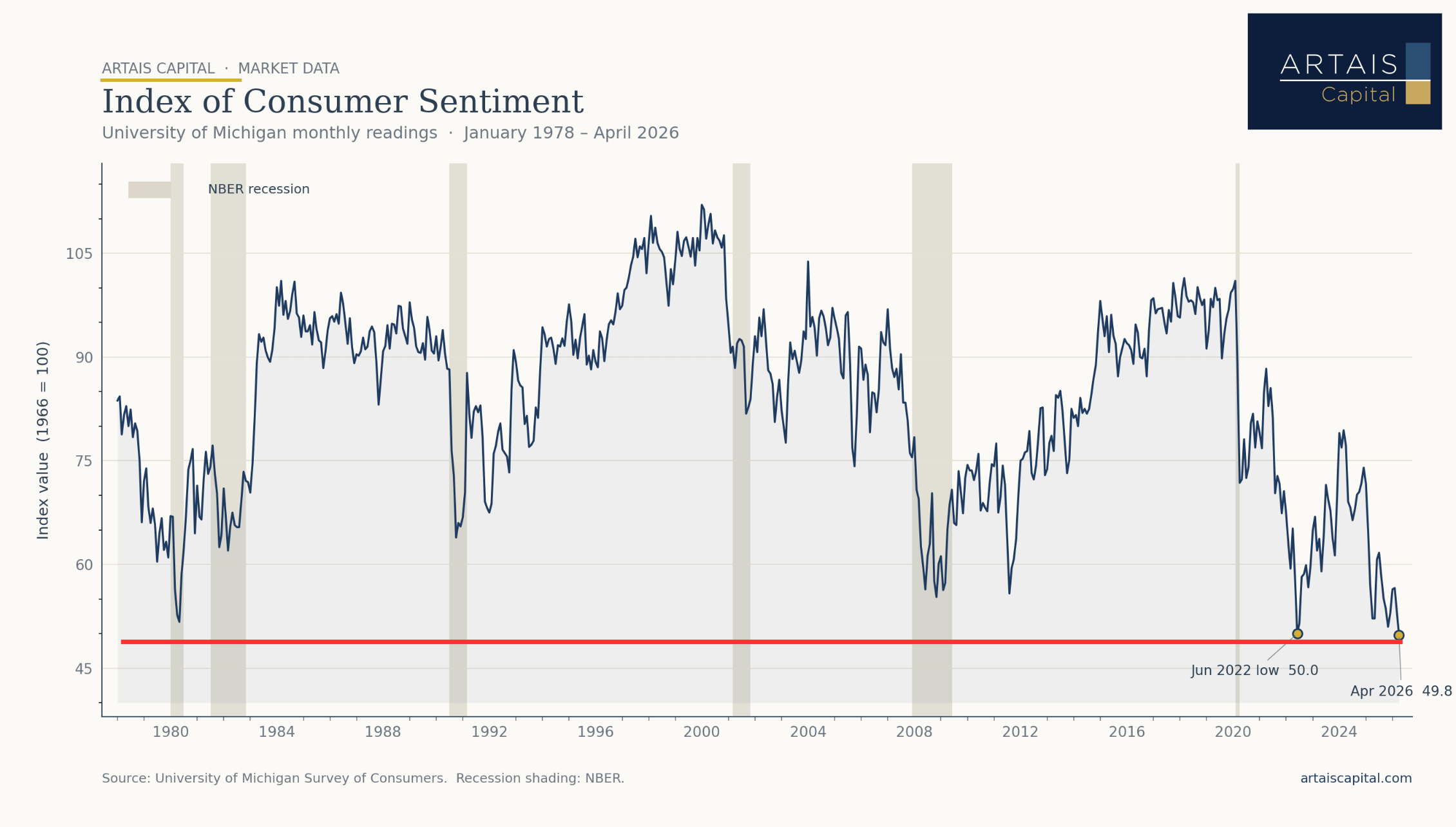
What is unexpected is that the data is suggesting consumers are feeling worse now than they were during the period of high inflation and the aggressive rate policy of Fed Chair Paul Volcker.
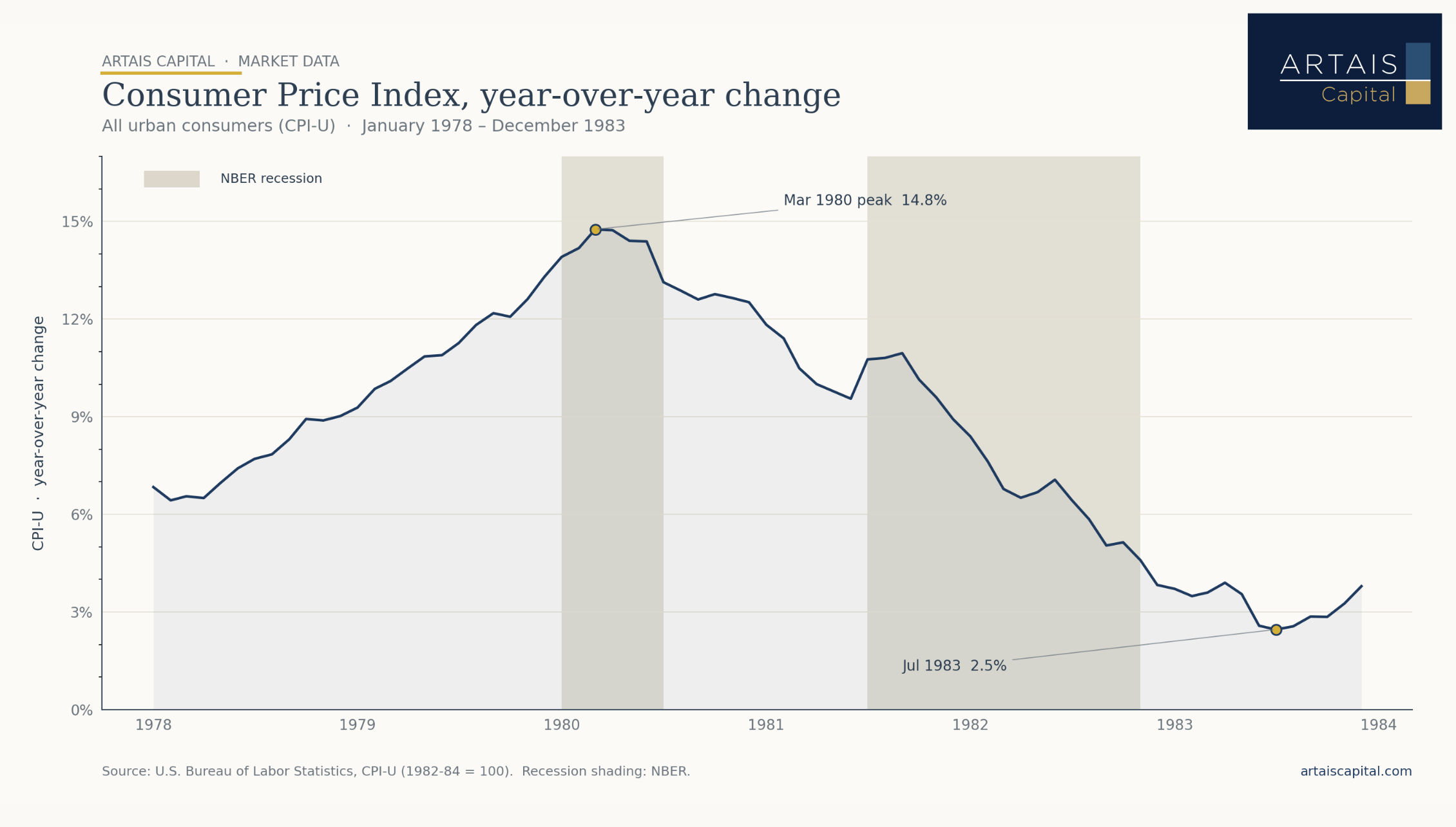
In March of 1980, inflation (as measured by the CPI) peaked at 14.8%. Interest rates continued to climb, with the Fed’s target rate aproaching 20%.
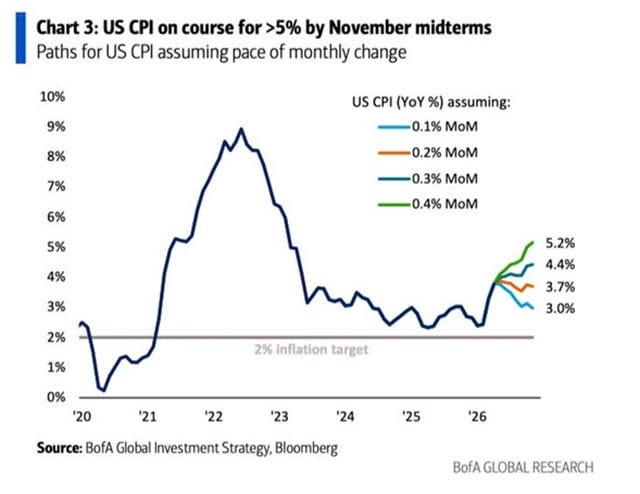
For perspective, the latest CPI reading shows prices rose 3.8% annually. And the current Fed target rate is at 3.50% - 3.75%.
By any measure, today's economy is in a far better position than 1980's. Which is what makes the sentiment reading so strange.
So here is where it gets interesting…
Consumers today say they feel worse than they did when mortgage rates were 18%, gas lines wrapped around city blocks, and the Fed was hiking into a recession on purpose.
That should be alarming.
The historical record says it is not — and the reason has nothing to do with sentiment itself. It has to do with what the market consistently does in the 12 to 18 months after readings like this one.
The hard part of being a contrarian is not believing the data. It is being willing to act on it while everyone you know thinks you have lost your mind.
In This Issue:
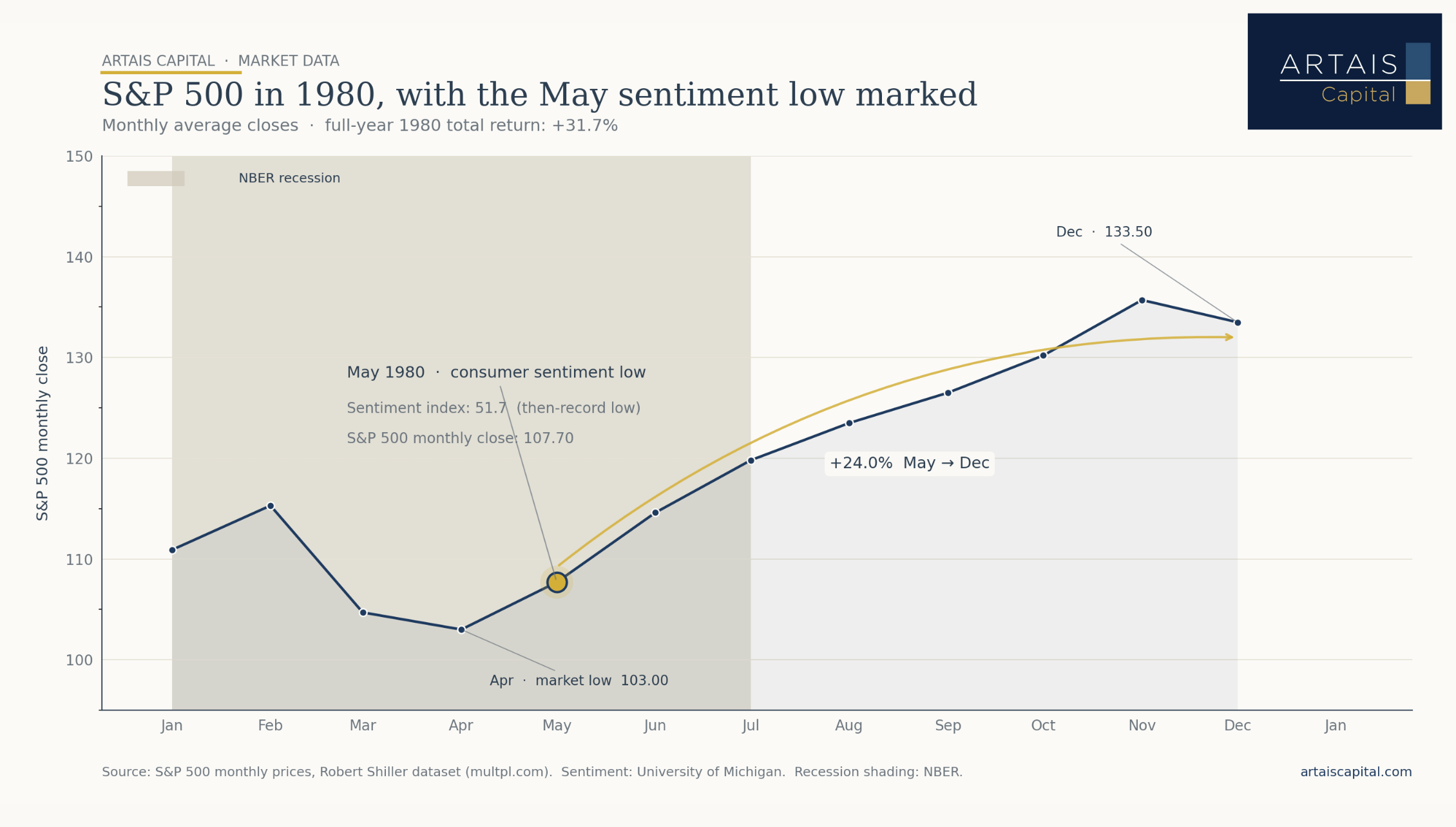
What happened to the S&P 500 in 1980 — the full move, not just the headline number.
The two other times since 1978 when sentiment dropped this low, and the forward return from each.
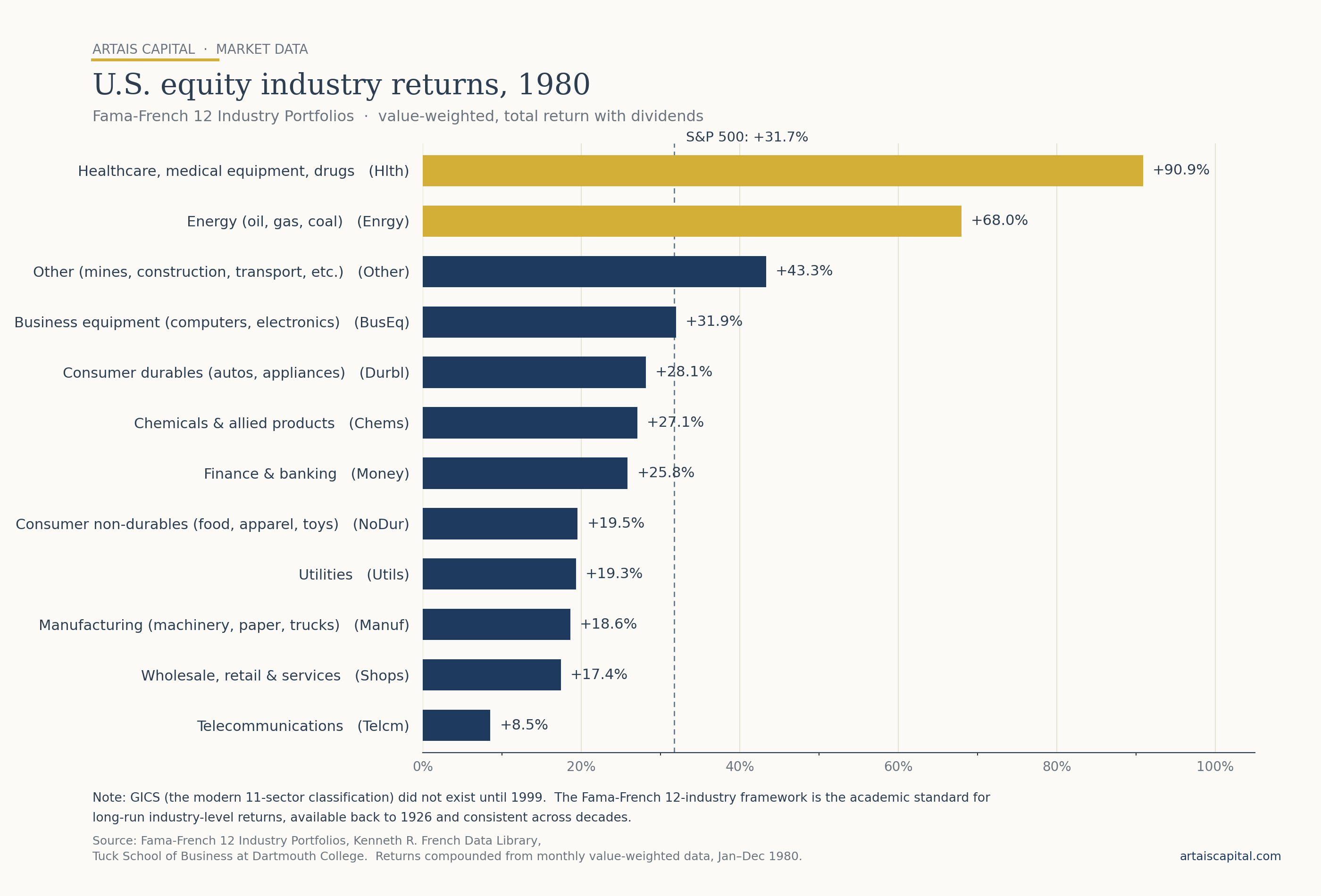
The sectors that led the recovery after the Fed raised rates to nearly 20%.
Why every previous low-sentiment episode looked different at the time — and what they all had in common 12 months later.
What Happened In 1980?
Leading up to 1980, inflation was relentless. Eventually, the CPI peaked in March of 1980.
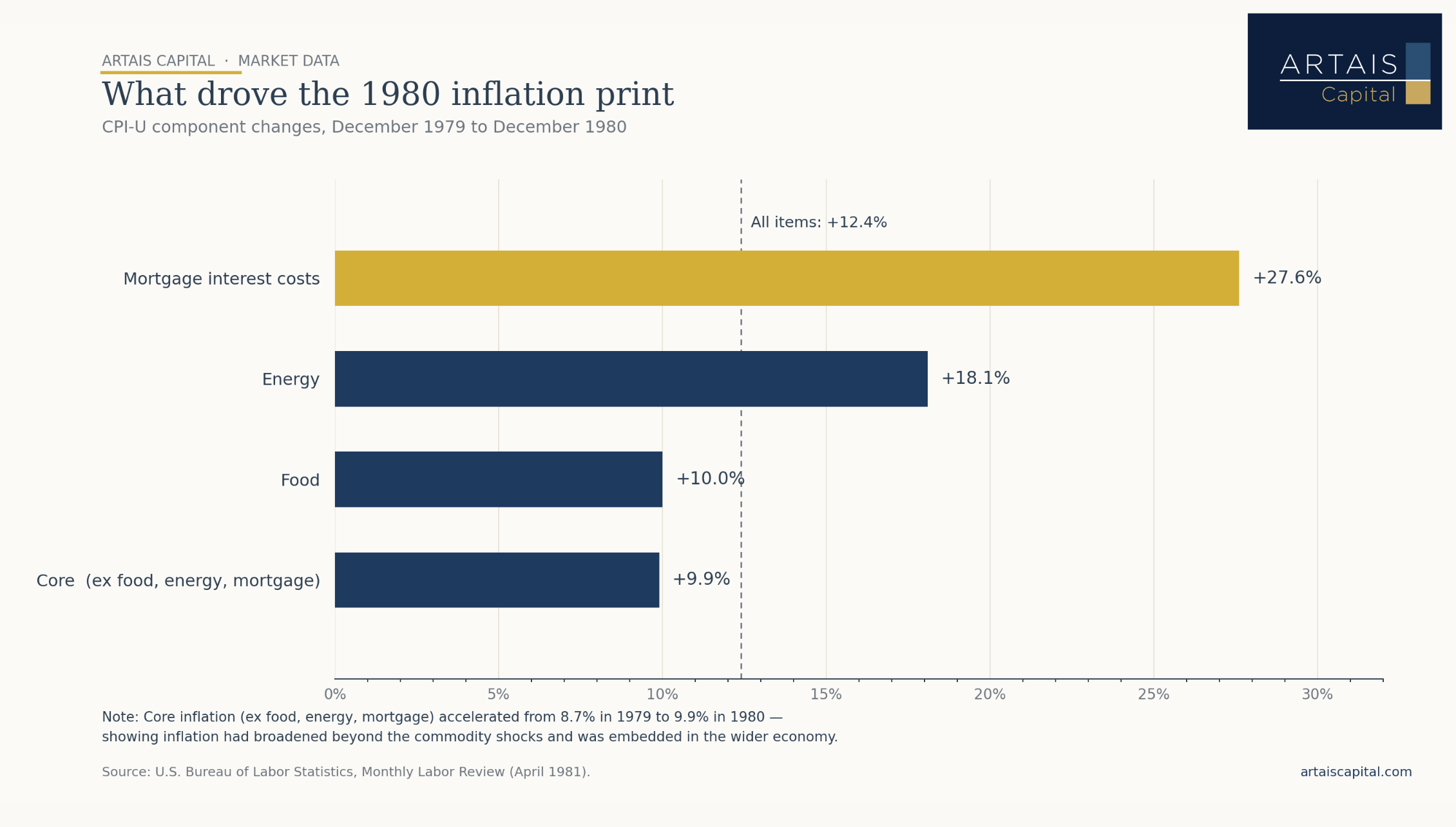
Mortgage costs, energy, and food led inflation higher during this time.
What Did The Markets Do in 1980?
Surprisingly, the markets performed quite well after such an extreme reading.
In 1980, the S&P 500 rose approximately 24% from May to December, finishing the year up 31%.
Industries that performed well during 1980 include healthcare and energy:
What About Other Low Sentiment Years?
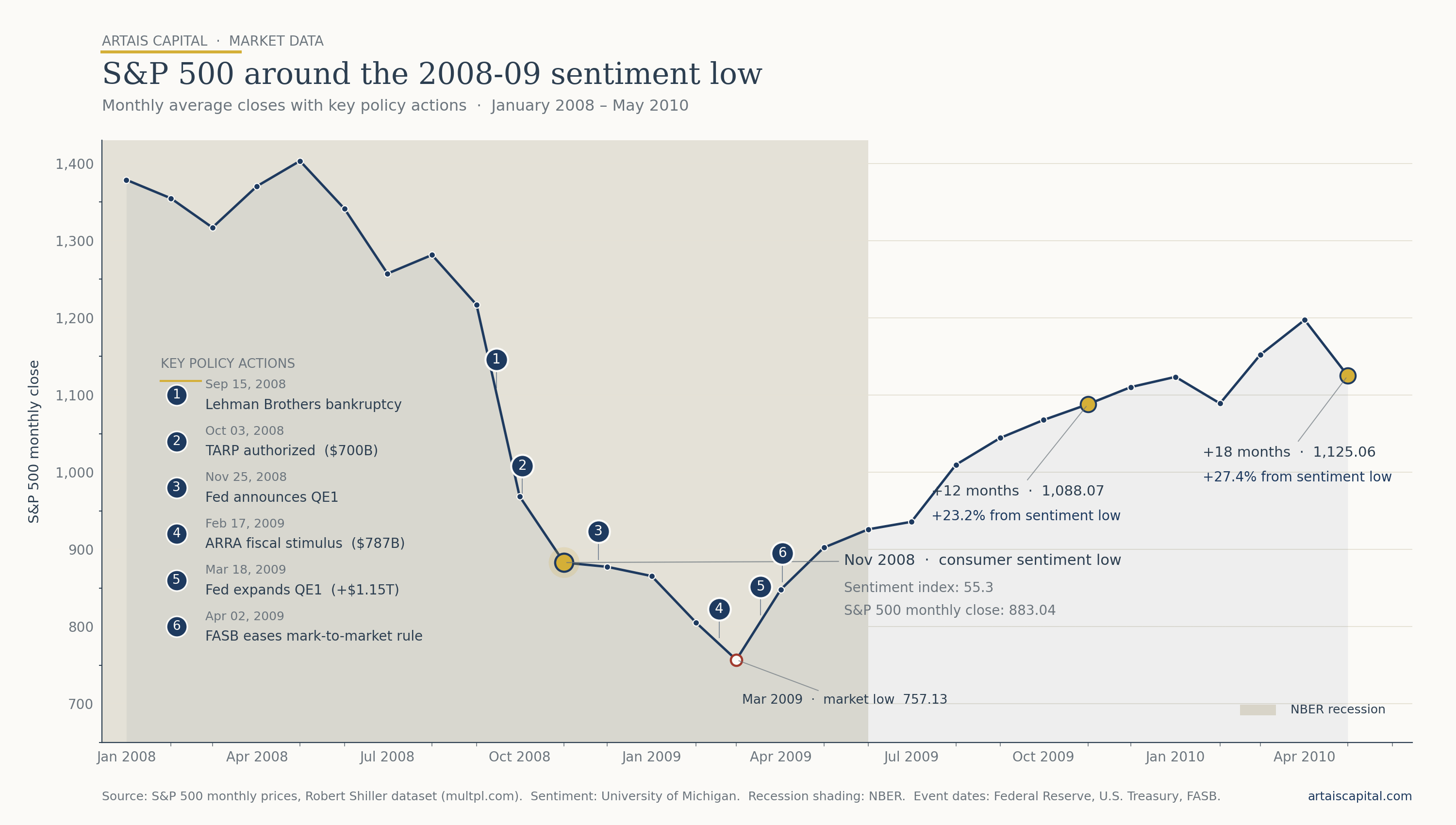
While consumer sentiment readings during the 2008-09 Financial Crisis were not as low as they are now, the S&P 500 also showed positive performance over the following 12 months from November 2008’s sentiment low. (Note: the S&P 500 initially continued to drop until March 2009.)
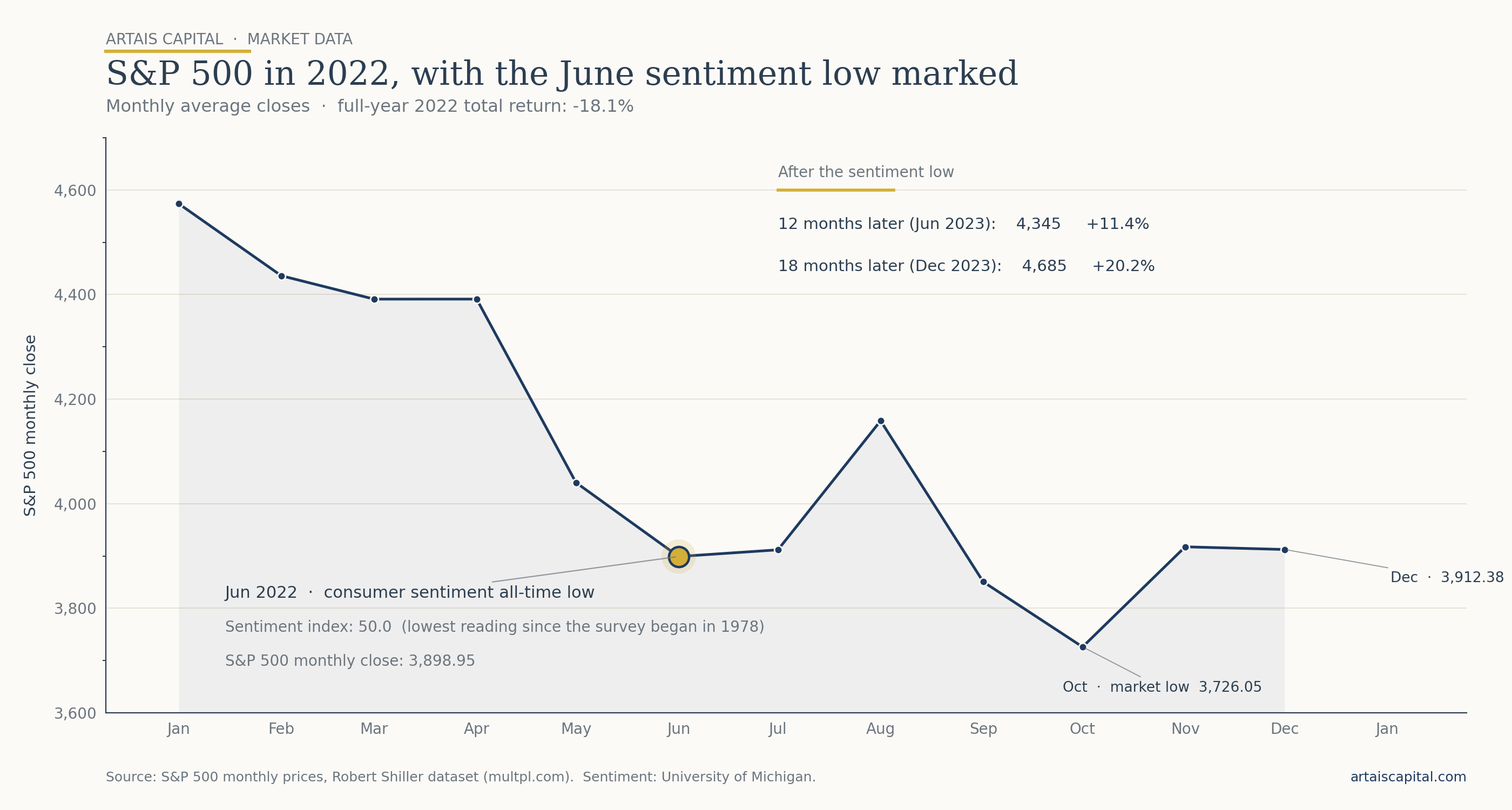
In 2022, consumer sentiment hit its lowest level on record up to that point (until April 2026 took out that low)
Like in 1980 and 2009, stocks rose over the next 12 months.
In Conclusion:
Poor consumer sentiment sounds scary, since the US is a consumer-based economy.
As the data shows, poor sentiment doesn't necessarily mean it's time to get out of the market. Data is often already priced into the market by the time it's released.
BUT - these are very few data points. Keep an eye on the charts, as causes for low consumer sentiment are often different from one episode to the next. (My theory on today’s data vs 1980 is that social media plus the 24-hour news cycle is making consumers more worried than in the past.)
Next week, I will be starting a new report that includes my screening process and the stocks that pass it.
Have a great and safe Memorial Day weekend!
John Rothe
5/22/26